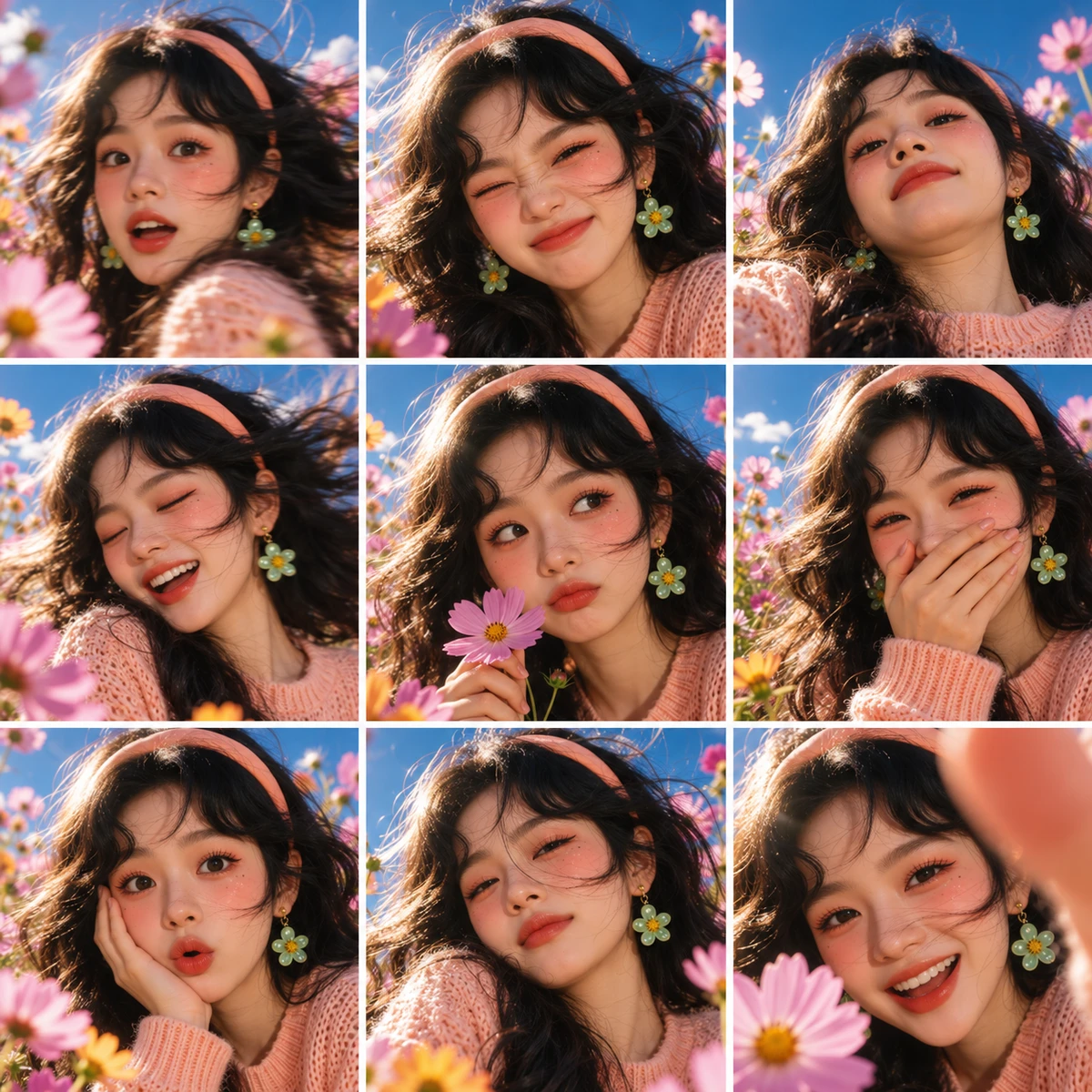
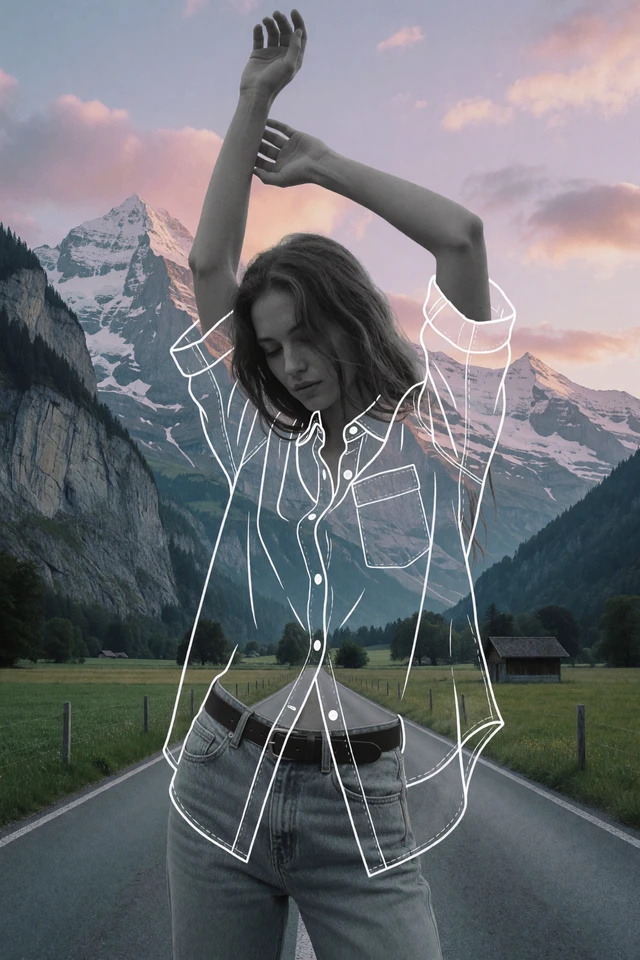
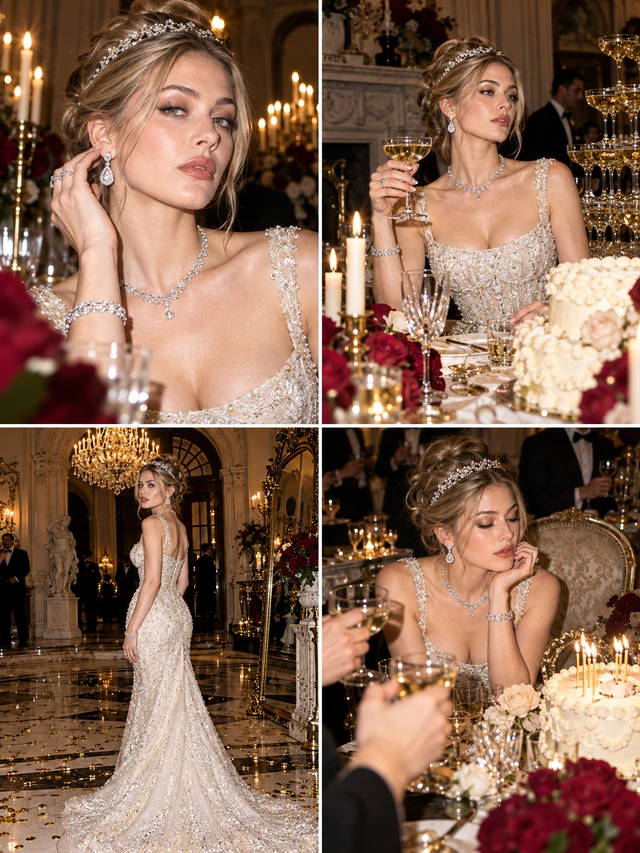
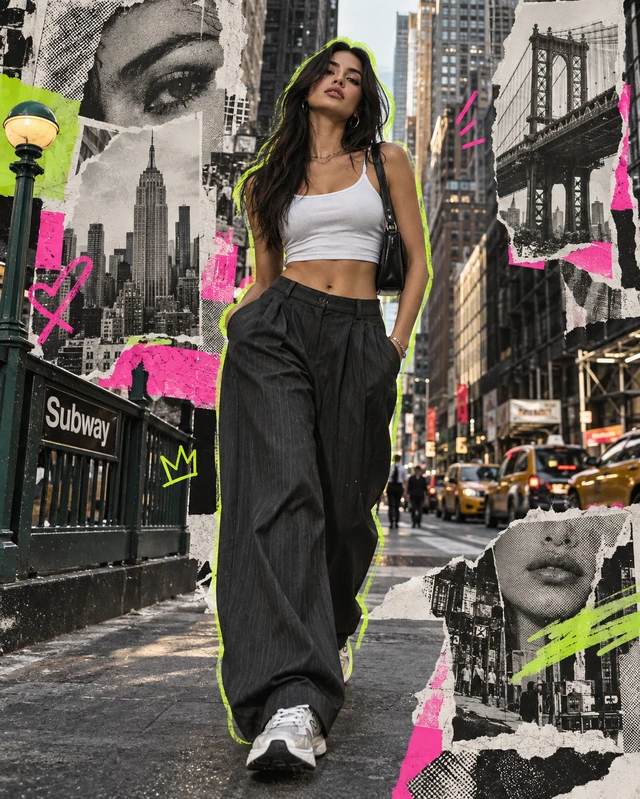
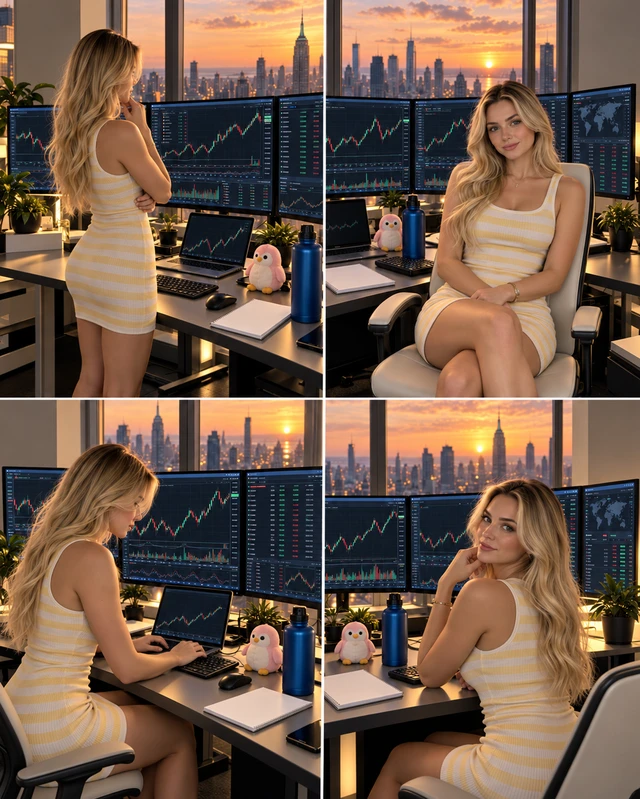
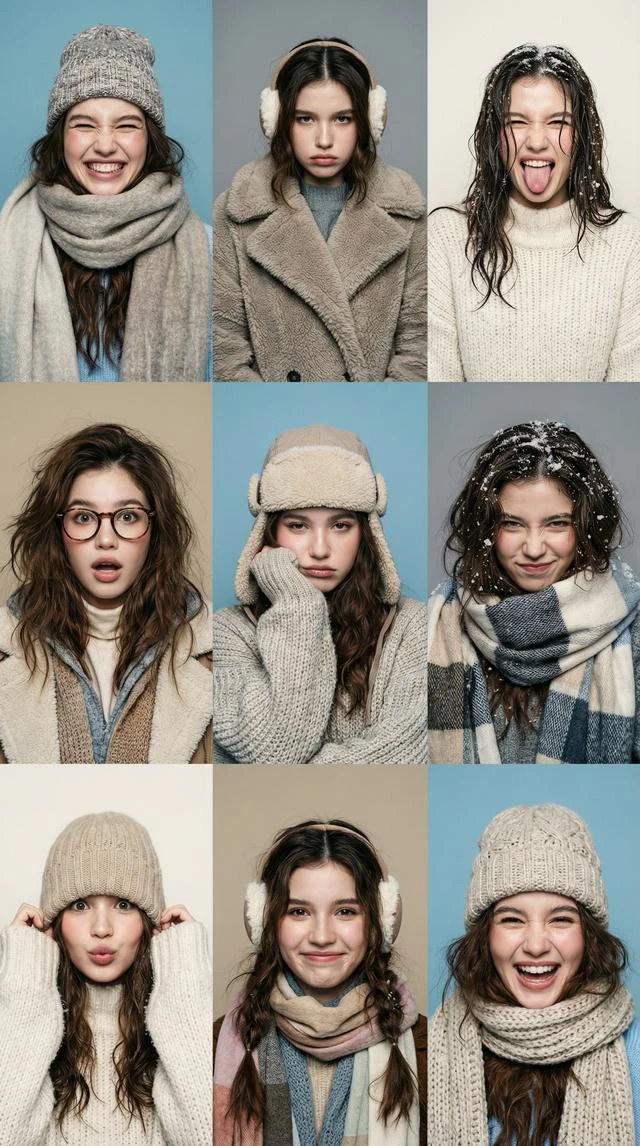
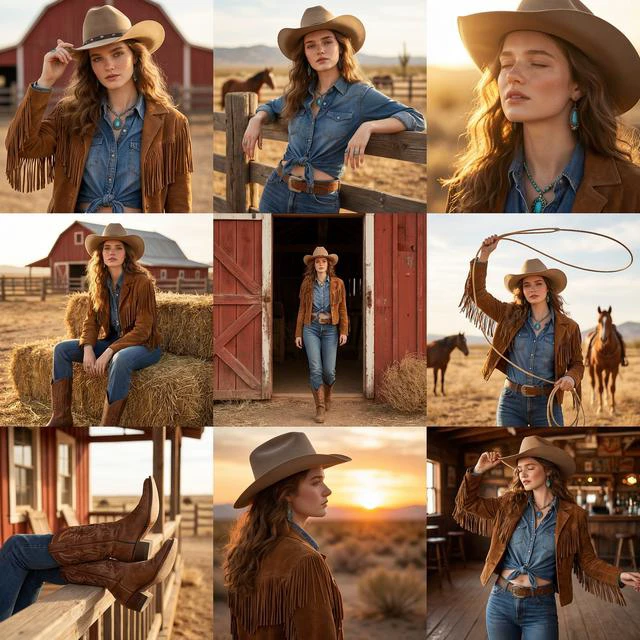
Generate a 3x3 selfie grid based on a character reference image.
The nine panels show the same likeness of the reference character, keeping clothing, overall hairstyle, and environment consistent.
Through different expressions, hand gestures, head poses, camera angles, and a small number of candid imperfections,
present a slice-of-life selfie set that looks like it was taken in quick succession within a short period of time.
The same environment does not mean copying identical background pixels:
when the camera position changes, the visible range and perspective of the background should change plausibly,
but do not randomly switch rooms or alter the main spatial elements.
[Overall Visual Style]
Imitate a close-range casual selfie taken with a phone's front-facing camera.
Natural, playful, slightly goofy, with the lived-in feel of continuous candid shots.
It is not a formal ID photo, not a retouched studio shoot, not nine standard smiling headshots.
Allow a few panels to include:
slight motion blur, messy strands of hair, an unflattering low-angle shot,
realistic neck compression, fingers near the lens partially blocking the view.
Use these effects only in the specified panels; do not make all the images blurry.
Preserve skin and fabric texture; do not apply extra heavy skin smoothing or reshape the face.
[Nine-Panel Shot Plan]
Arrange from left to right, top to bottom.
Panel 1:
Hair lightly tossed, eyes wide open, mouth slightly open.
Like a surprised moment captured when suddenly turning the head, with a small amount of motion blur.
Panel 2:
One eye closed, the other open.
Slight nose scrunch, mouth making a playful grimace, while keeping the character's basic facial features.
Panel 3:
Camera below face level, character tilts head up slightly.
Close-range low-angle shot, preserving realistic chin creases and neck compression,
do not deliberately retouch it into a standard beautified angle.
Panel 4:
Both eyes closed, head gently turned, lips naturally open.
Hair with a slight sense of motion, like a candid shot while swaying the head with eyes closed.
Panel 5:
Gaze looking to the side, lips lightly pressed together or slightly pouted.
A few strands of hair naturally falling along the side of the face, with an expression clearly different from the front-facing smile.
Panel 6:
Eyes curved in a smile, one hand naturally covering the mouth.
Finger structure is reasonable, and the cuff of the reference outfit is also visible in frame.
Panel 7:
Palm supporting the jaw, fingers lightly pressing both cheeks.
Eyes wide open, mouth forming a small O shape.
The contact between palm and face is natural, with no extra fingers or additional hands.
Panel 8:
Head slightly tilted, eyes half-closed, lips relaxed.
Strands of hair naturally falling over the forehead, presenting a casual selfie moment.
Panel 9:
Character close to the lens, one finger near the upper right of the lens,
creating a partially soft-focus foreground obstruction.
Keep enough of the face area visible so the character is still recognizable.
Do not let the finger cover the entire face.