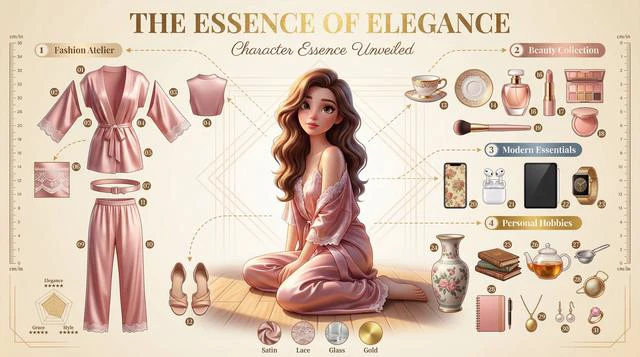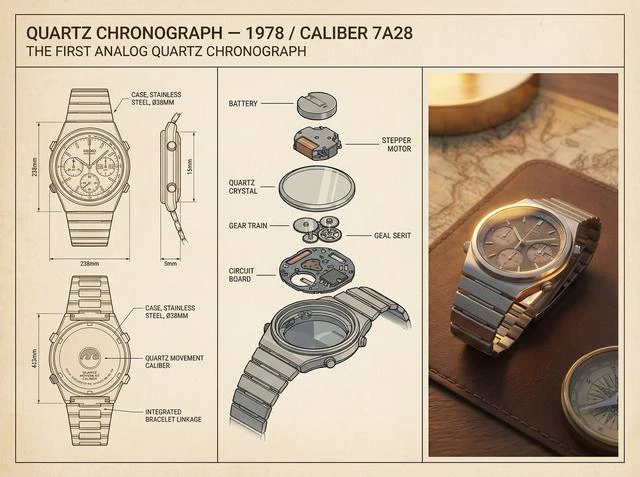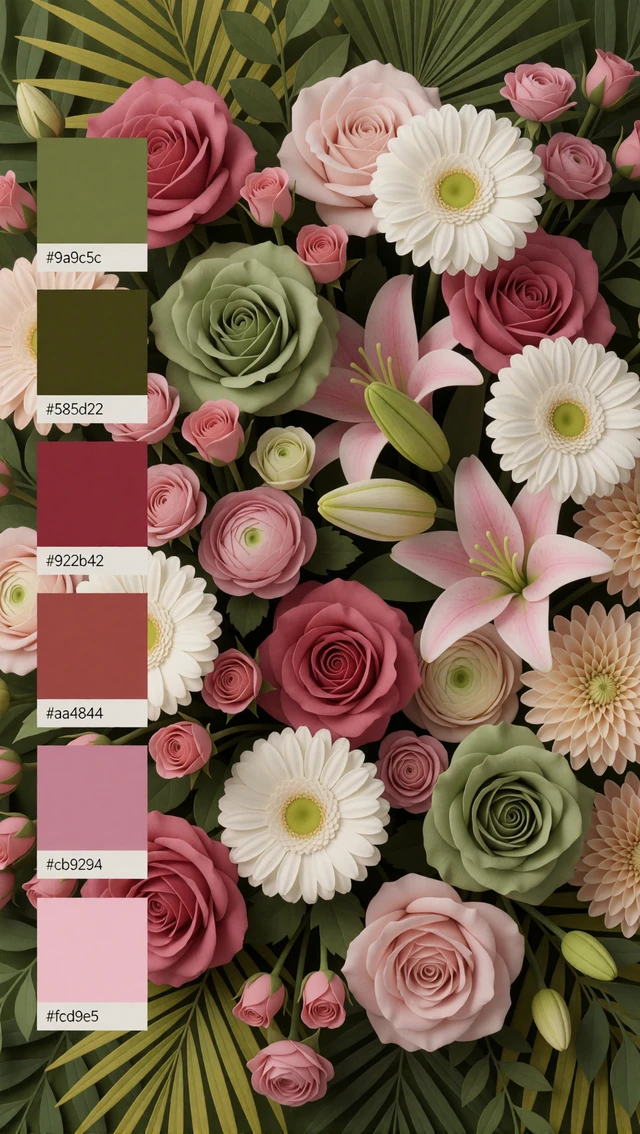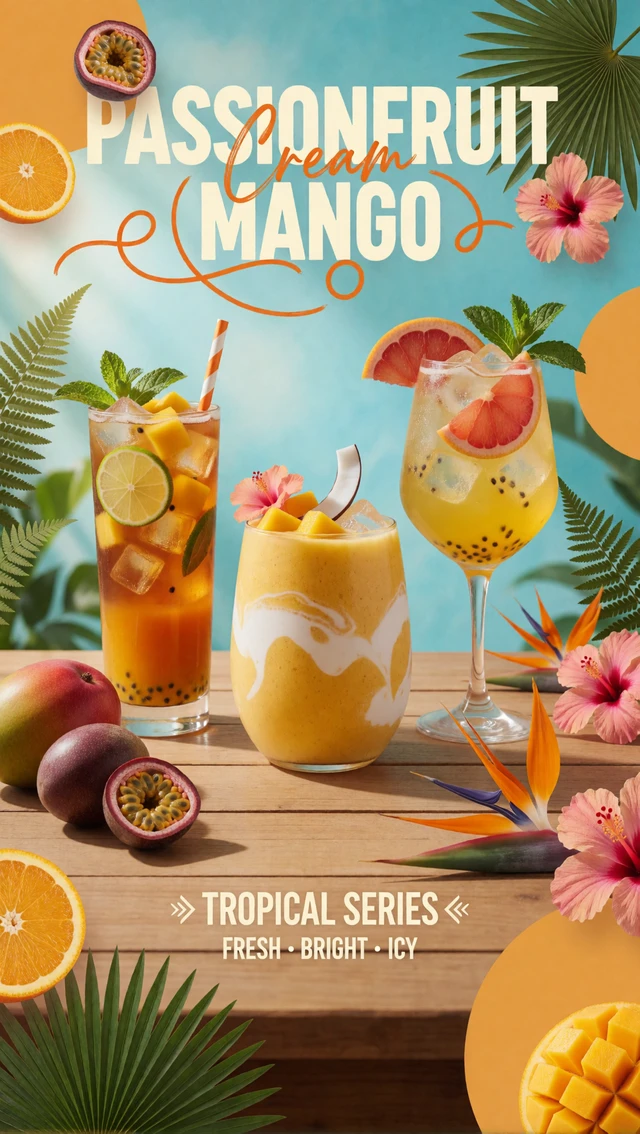
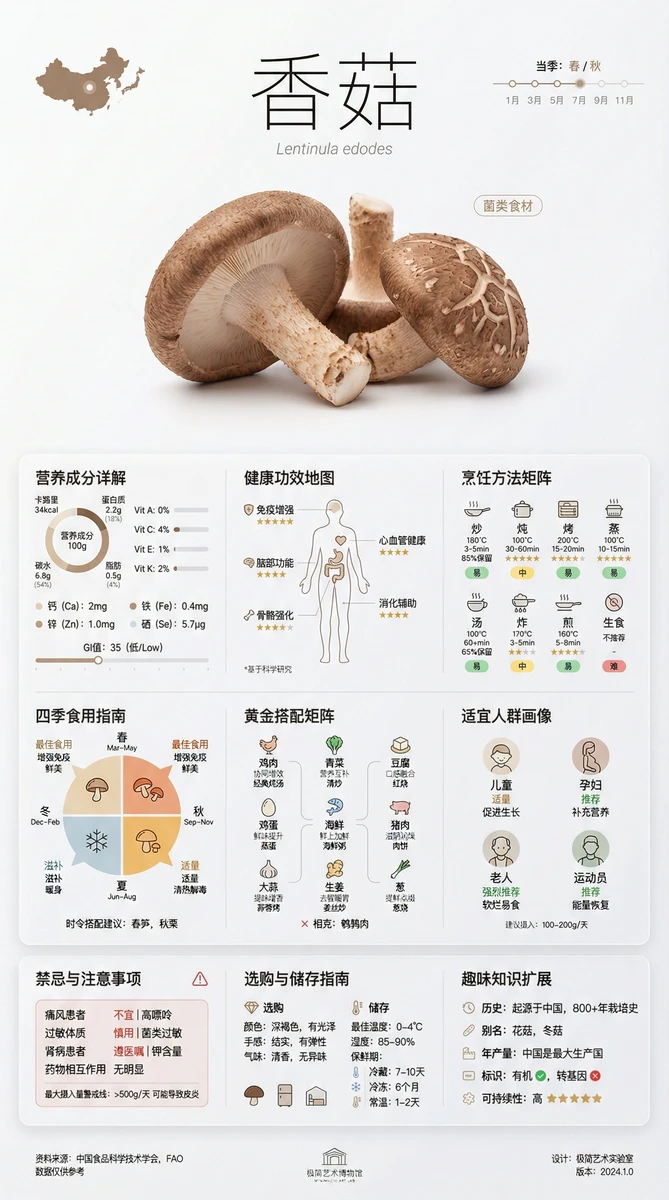
An encyclopedia-style information card for [egg] in a minimalist art style, with museum exhibit-level design quality that is rich in information but visually restrained. 【Overall Composition - Golden Ratio Layout】 Aspect Ratio: 2:3 vertical or 3:4 square Three Main Visual Areas: Top Display Area (30%): Large-scale food photography + Elegant title layout Central Information Area (60%): Multi-layered information module grid system Bottom Annotation Area (10%): Source notes + Design details 【Top Display Area - Visual Focus】 • Food Name: Extra-large font size, thin line type/Song typeface, widened letter spacing • Latin Name: Small font size italics, gray tone • Food Classification Tag: Minimalist capsule-shaped tag • Main Image: Background removed food close-up, studio lighting, subtle shadow • Origin Mini Map Icon • Seasonal Timeline Chart 【Central Core Information Area - 9 Major Modules】 1. Nutritional Breakdown Pie Chart: Calorie, protein, carbohydrate, fat ratio Bar Graph: Vitamin A/C/E/K content comparison Mineral Trace Element List (Calcium, Iron, Zinc, etc.) Precise nutritional data annotation per 100g GI Value (Glycemic Index) visual scale 2. Health Benefits Map Human outline highlighting benefited areas 5-6 main benefits icon display Benefit strength level marking (⭐⭐⭐⭐⭐) Scientific research source small annotations 3. Cooking Methods Matrix 8-10 cooking method icons grid Best temperature/time parameters for each method Nutrient retention rate percentage display Recommendation index star rating Difficulty level color coding 4. Seasonal Eating Guide Circular timeline wheel design Marking the best months to eat Description of seasonal efficacy changes Seasonal pairing suggestions 5. Golden Pairing Matrix 9-grid pairing ingredient icons Brief annotations on pairing reasons Synergistic enhancement/contraindication warnings Classic dish recipe examples Nutritional complementation relationship connection diagram 6. Suitable Population Profile Population icons (Children/Pregnant Women/Seniors/Athletes, etc.) Recommendation level color coding Special population dosage advice Age group classification guide 7. Contraindications and Precautions Red warning box design Clear listing of unsuitable populations Allergen identification Drug interaction tips Maximum intake warning line 8. Selection and Storage Guide Freshness judgment points (color/touch/smell) Quality grade division illustration Optimal storage temperature/humidity data Shelf life timeline Refrigerated/Frozen/Room Temperature icon guide 9. Fun Knowledge Expansion Historical anecdotes (origin/legend) Alternative names around the world Annual production data visualization Organic/GMO labeling explanation Sustainability rating 【Visual System - Minimalist Art Aesthetics】 Color Scheme: Primary Color: Natural colors extracted from the food itself Secondary Colors: Earth tones (Off-white/Oatmeal/Linen/Graphite Gray) Accent Colors: Restrained use of 1-2 high purity colors Background: Pure white or very light gray (#FAFAFA) Text: Dark gray rather than pure black (#2C2C2C) Font System: Titles: Ultra-thin sans-serif font (Helvetica Neue UltraLight) Body Text: Modern geometric fonts (DIN/Futura) Data: Monospaced font (Roboto Mono) Chinese: Source Han Sans Light/Fangzheng Lantinghei Font Size Hierarchy: 6-level font size system (48/32/24/16/12/10pt) Icon System: Uniform 2pt line width Consistent corner radius (2px) 24x24px grid alignment Stroke preferred over fill Utilization of negative space Layout System: 12-column grid system 8pt baseline grid alignment Module spacing: 24pt/32pt/48pt Margins: Page margins starting at 48pt Card rounded corners: 8-12px Subtle dividing lines: 0.5pt, 15% opacity Texture Details: Subtle gradient background (3-5% color value change) Soft shadow (0 4px 24px rgba(0,0,0,0.04)) Frosted glass effect (backdrop-filter: blur(20px)) Slight height differences between elements (altitude system) Light color fill in data areas (5% opacity) 【Information Visualization Principles】 Data Charts: Edward Tufte's minimalist data ink principle Removal of unnecessary decorations Extremely faint chart grid lines (10% opacity) Precise annotation of data points Smooth natural trend lines 【Breathing Space Creation】 White space between modules ≥ 25% of module content width Line spacing 1.6-1.8 times Paragraph spacing ≥ 2 line heights Image-text combination whitespace rule Style Keywords: Swiss International Typographic Style, Japanese Wabi-sabi aesthetics, Bauhaus functionalism, Scandinavian minimalism, Dieter Rams design philosophy, Muji visual language, Kinfolk magazine aesthetics, Apple product design language, Essence of Google Material Design
Model
Nano banana pro
Resolution
1536 × 2752 px
Genre